

Essentially, ROS highlights how effectively a company manages its core business operations, including production, marketing, and sales. A higher ROS indicates that the company is able to keep its operating costs low while generating substantial revenue, thus achieving better operational efficiency. Moreover, ROS provides valuable context when analyzing a company’s financial statements, such as its income statement, balance sheet, and cash flow statement. By comparing ROS across periods, investors can assess trends in a firm’s profitability and operational efficiency over time, providing essential information to make informed investment decisions. Return on sales (ROS), a measure of operational efficiency, provides insight into how effectively a company converts its sales revenue into profits. In financial analysis, understanding the relationship between a firm’s net sales and operating profit is crucial for investors and stakeholders alike.
- Several well-known companies aren’t “profitable” at all — Uber’s operating margin between 2018 and 2022, for example, was -29%, -66%, and -44%, respectively.
- A strong return on sales percentage varies by industry, but generally, a higher percentage indicates better profitability.
- Any ROS above 10% is considered an outstanding performance by the company.
- For larger enterprises, integrating ERP systems can provide a holistic view, ensuring every department contributes to a healthier ros definition.
- ROS helps in pinpointing the effectiveness of cost control measures, pricing strategies, and overall management practices.
- This fluctuation impacts the Rate of Return on Sales (RROS), making it challenging to maintain consistent financial health.
How to calculate sales return? Formula & example
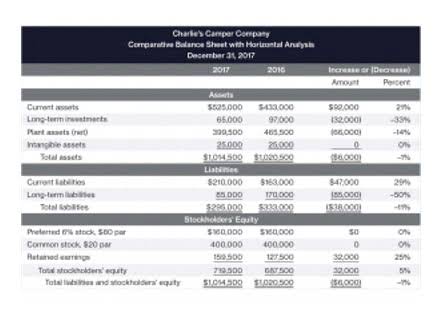
Yes, return on sales is a commonly used metric to assess a company’s profitability. It provides insight into how return on sales much profit a company is generating from its revenue. Return on sales can be improved by increasing revenue or decreasing expenses. This can be achieved through various strategies such as increasing prices, reducing costs, and improving operational efficiency. Overall, understanding industry-specific ROS can provide valuable insights into a business’s financial performance and help identify areas for growth and improvement.
Return on Sales Calculation Example (ROS)
As more customers shop online, companies are shifting their focus to e-commerce. This requires companies to invest in technology and digital marketing to stay competitive. By leveraging technology, companies can improve their sales metrics and increase their ROS.
Cross-Border Payment Challenges for High-Risk Businesses in Colombia: Stablecoin Solutions Explained

Return on sales (ROS) is a crucial financial ratio that investors use to evaluate a company’s operational efficiency and profitability. It reveals how much profit a business generates per dollar of revenue, indicating the effectiveness of its cost structure and management. To calculate ROS, you need to understand its formula, Cash Flow Statement limitations, and applications.

Freative Friday: Increasing ROSI by Understanding How You Grow
Sometimes, however, it isn’t possible to reduce expenses lower than a certain amount. In this case, Jim should strive for higher revenue numbers while keeping the expenses the same. Both of these strategies will help make Jim’s Bowling Alley bookkeeping more successful.
Benchmarking ROS within the industry and analyzing historical ROS trends are essential for evaluating a company’s operational efficiency and long-term performance. These practices enable stakeholders to compare performance with industry peers, identify trends, and make informed strategic decisions to enhance profitability and sustain growth. Return on Sales (ROS) is a vital metric for benchmarking a company’s performance within its industry.

Return on Sales vs. Gross Margin: What is the Difference?
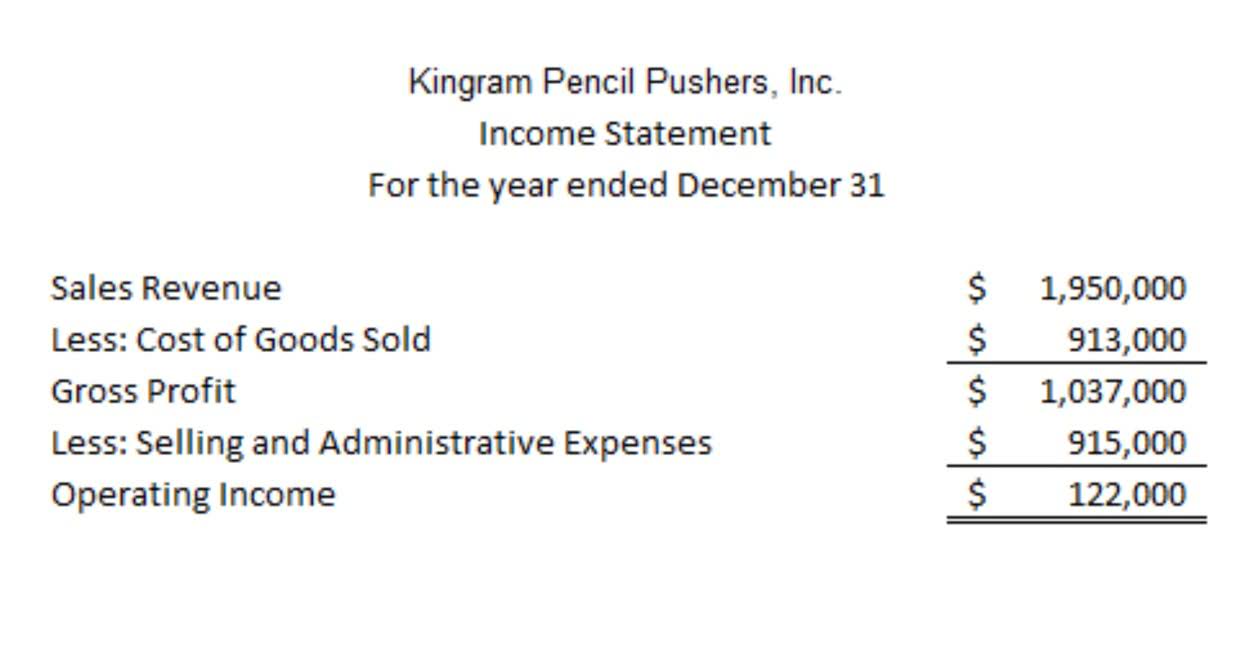
It provides investors with valuable insights into potential investments or areas for improvement within their portfolios. Additionally, it allows analysts to identify trends and performance gaps that may warrant further research and investigation. Conversely, a low ROS may raise concerns about operational inefficiencies or potential financial challenges. This simple calculation offers valuable insights into a company’s ability to convert sales into profits and assess its operational efficiency. However, it’s important to remember that ROS is not applicable for all industries as profitability ratios can vary significantly across different sectors. Price-sales ratio is a metric that describes how much one share of a company generates in revenue for the company.
Fortune 500 Company Analysis
Earnings before interest and taxes (EBIT) is the term used to describe operating profit, which is the profit generated from operations net of interest expenses and taxes. ROS should only be used for comparing companies within the same industry and with similar business models. Comparing companies across industries or those with vastly different business models could lead to confusion, as operating profit margins vary significantly between them.